Accra in three layers
A concept board needs to acknowledge all three layers of Accra's design DNA or it will feel rootless.
Layer 1 · Colonial Atlantic coast
Jamestown / Usshertown
The oldest urban fabric: lime-washed forts (Ussher Fort, James Fort), the red-and-white Jamestown Lighthouse (1871, rebuilt 1930s), clapboard-and-corrugated-iron fishing-quarter density.
Palette: sun-bleached white, iron-oxide red, weathered cobalt, silver-grey of corrugated zinc.
References: photographer Nii Obodai; Nuku Studio.
Layer 2 · Independence-era civic
Nkrumah-era visual DNA
Arguably the most important reference for any new Ghanaian master plan.
- Independence Square + Black Star Gate (1961) — pure white concrete, the black star as singular graphic device, sea-facing axis
- Kwame Nkrumah Mausoleum (1992, Don Arthur) — inverted-sword form clad in Italian marble, axial water court
- National Theatre (1992) — swooping white sail-form
- State House / Job 600 (1965) — tropical-modernist concrete with brise-soleil
Layer 3 · Contemporary
Where the moodboard lives
- David Adjaye — National Cathedral of Ghana (paused), Alara Concept Store Lagos, Ghana Freedom Pavilion (Venice 2019)
- Mawuli Tse / Tse Studio — Ghanaian-American residential reinterpreting Ewe + Ga vernacular
- Hive Earth Studio (Joelle Eyeson) — Accra-based rammed-earth specialists
- Augustus Richardson — contemporary residential, East Legon
The Volta Region differentiator
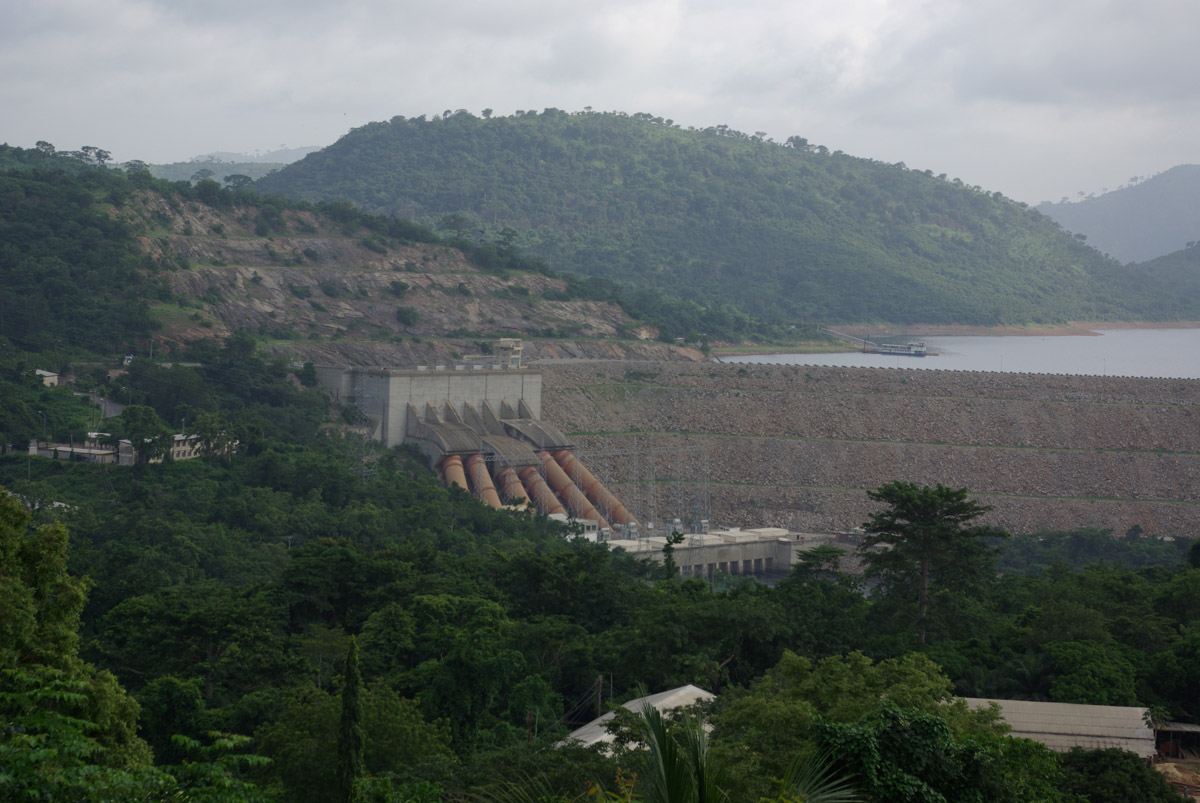
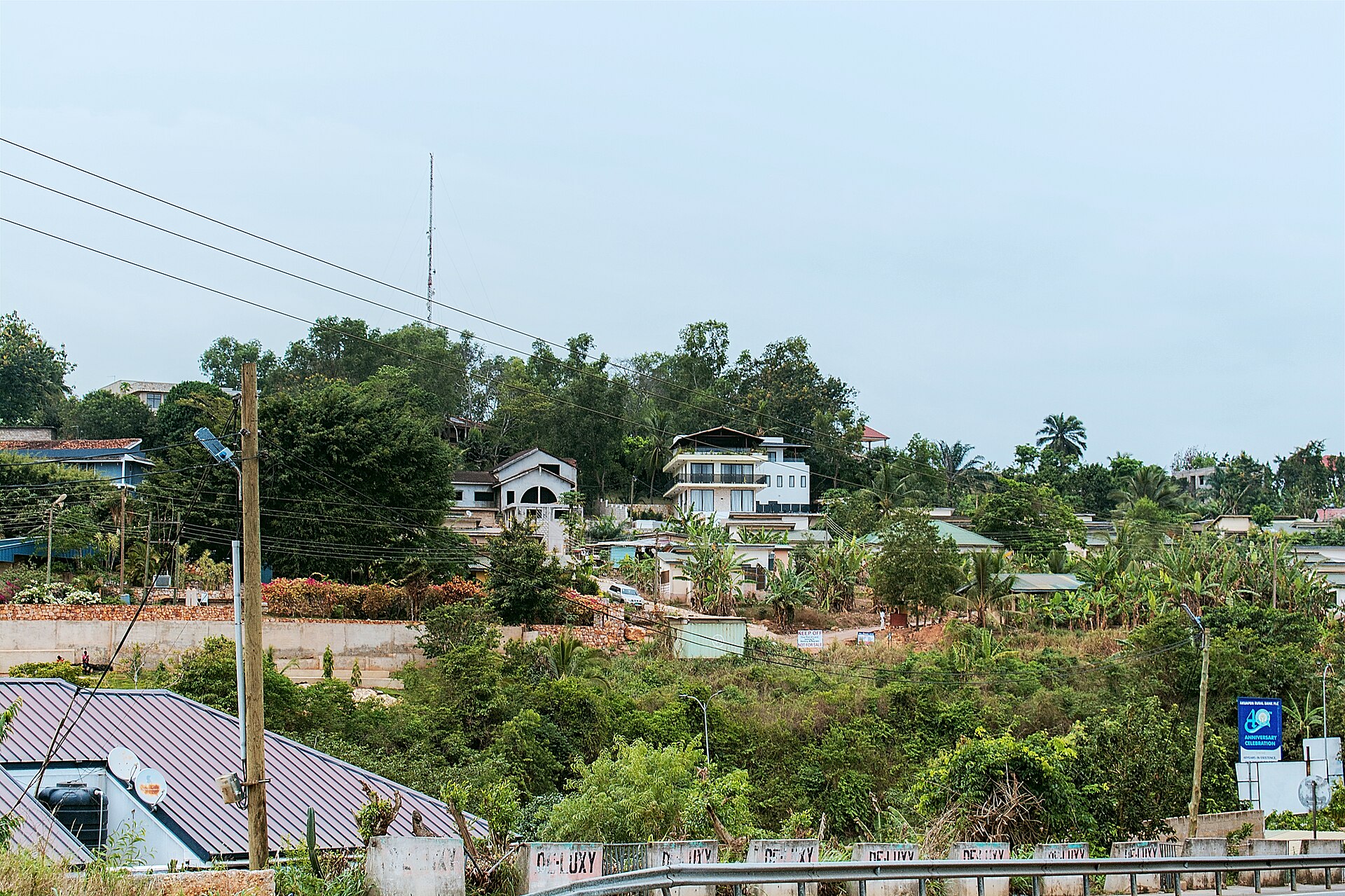
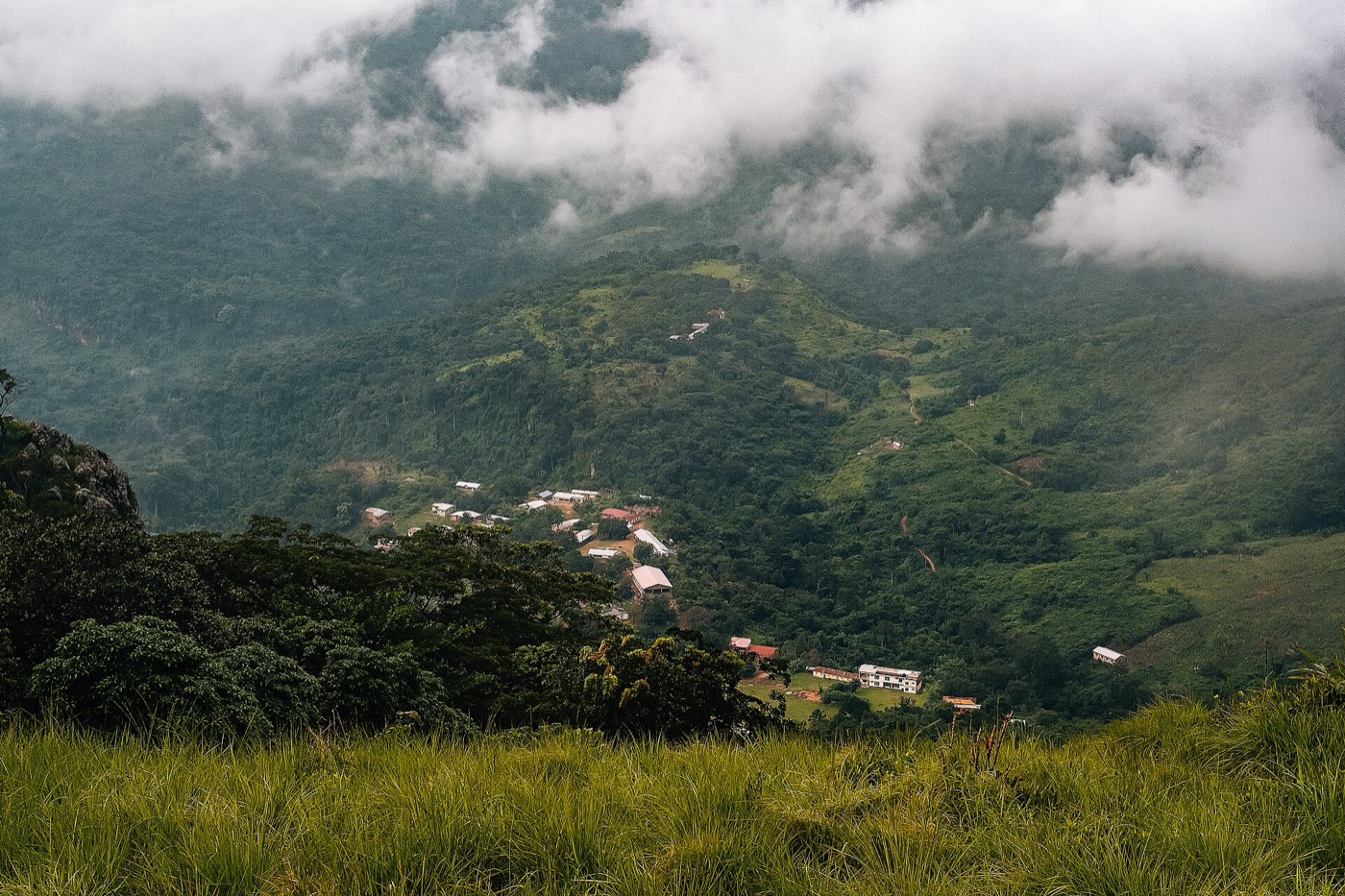
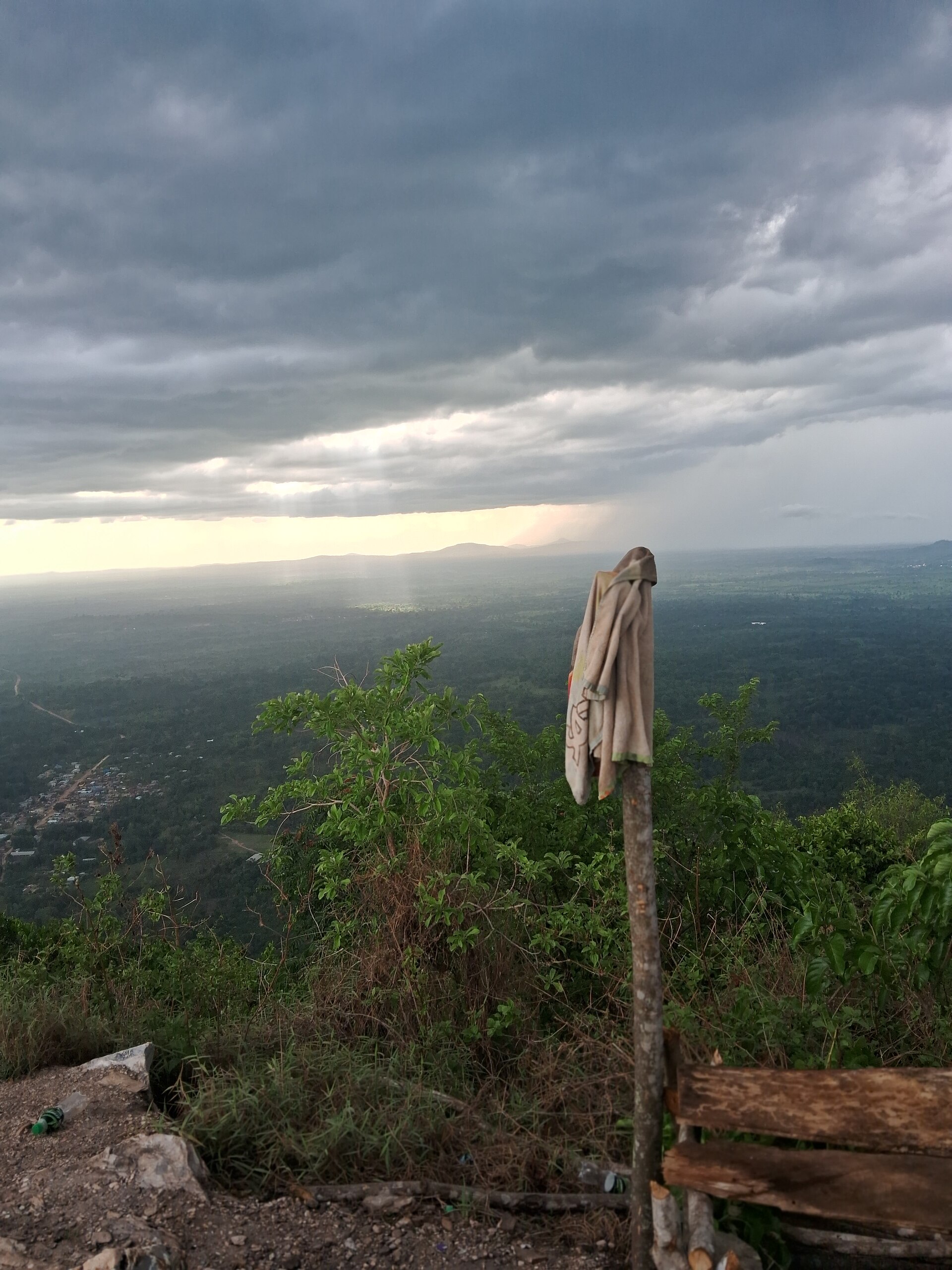
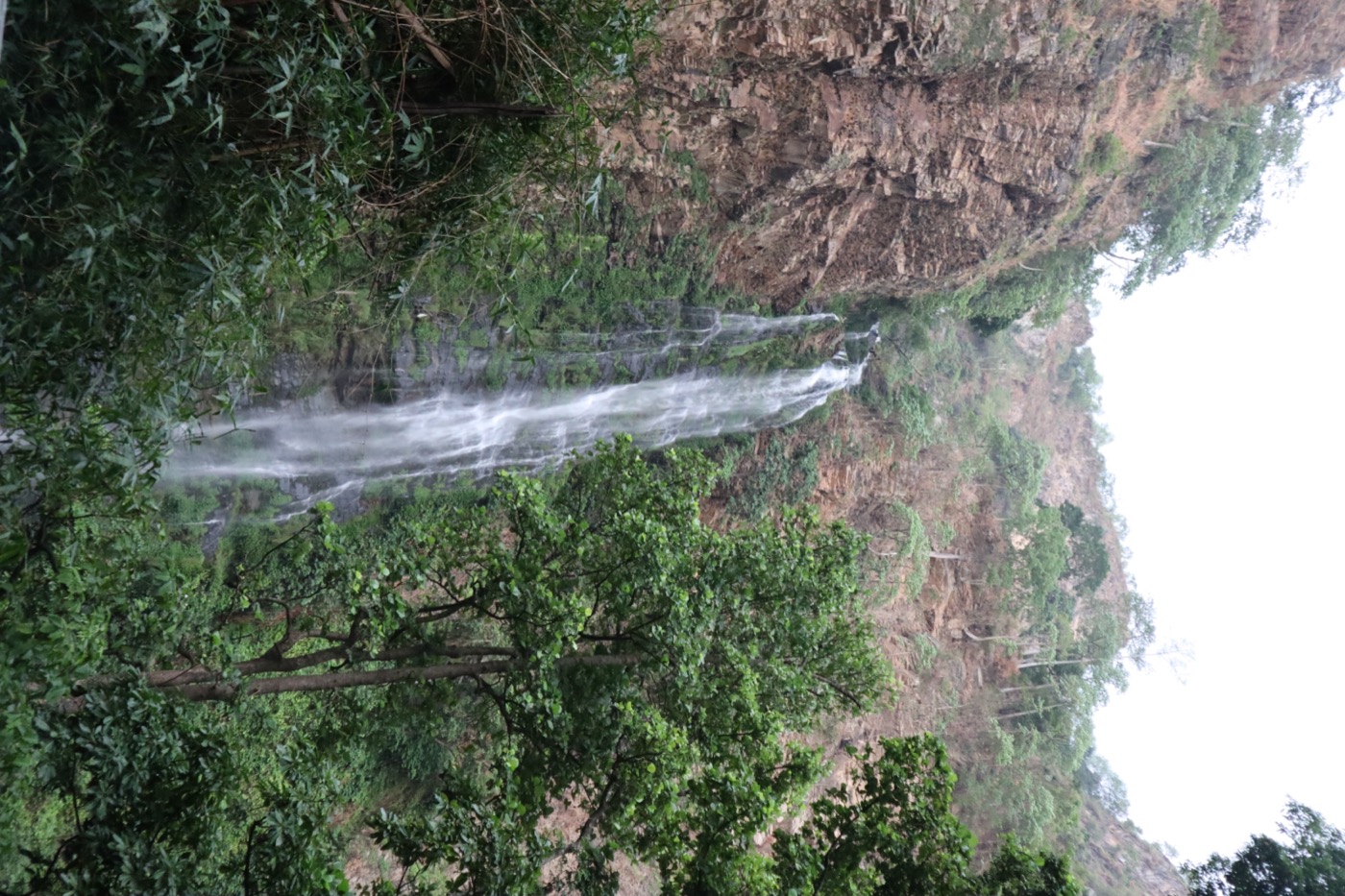
The site is not in Greater Accra — it's 1–1.5 hours east, in Ewe cultural country, against the Akwapim-Togo mountain range, on the spine that runs from Akosombo Dam up to the Togo border.
Why this matters for the design vocabulary
- Ewe vernacular is distinct from Asante (the kente that comes from Tafi, Volta Region has a different palette and pattern syntax than the Bonwire kente most of the world knows)
- Lateritic earth tones dominate — the soil is redder, the lime walls warmer
- Akosombo Township (Doxiadis 1960s) is the gold-standard precedent comp — modernist planning grid sitting in Volta hills, still functional 60 years later
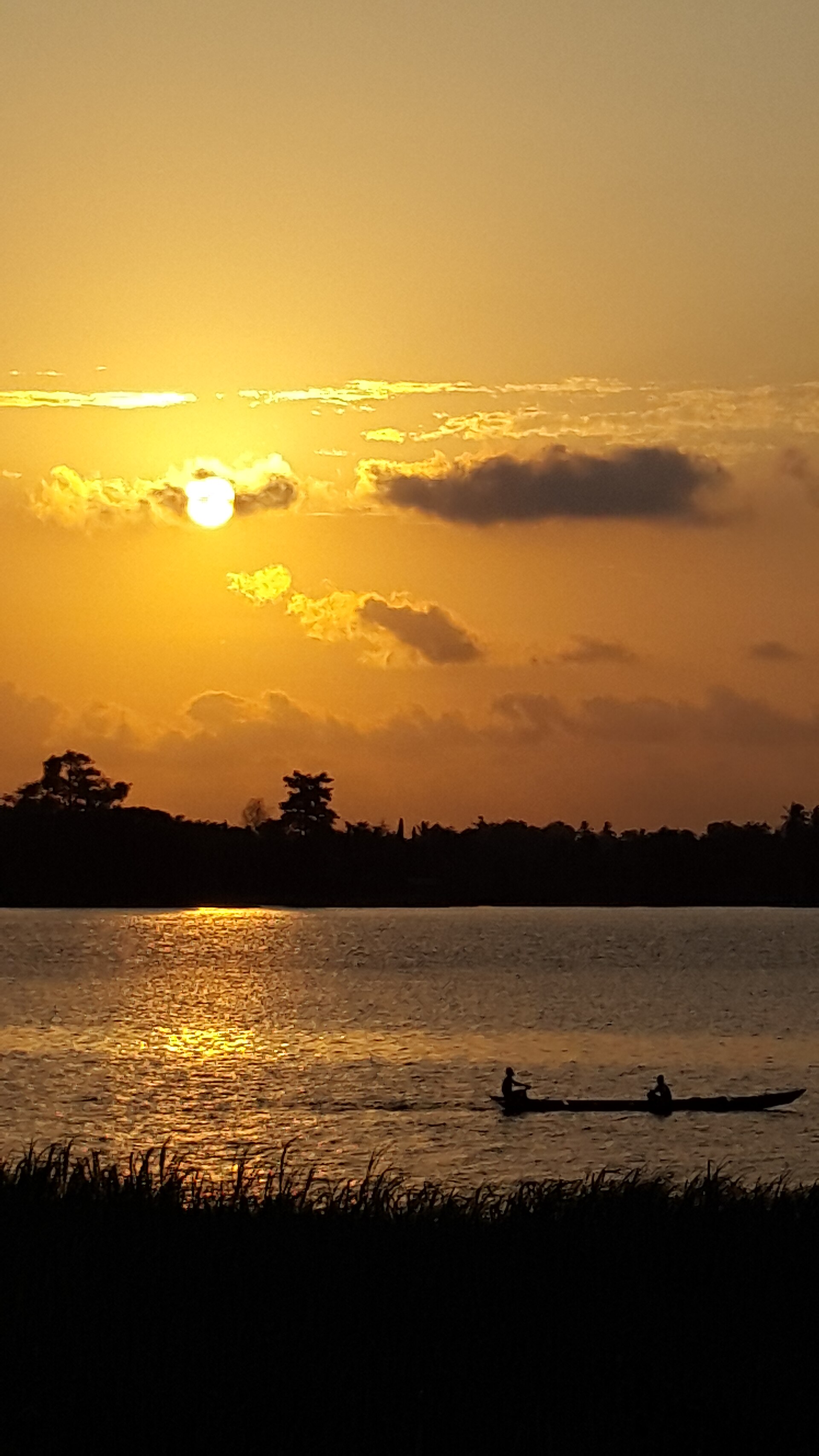
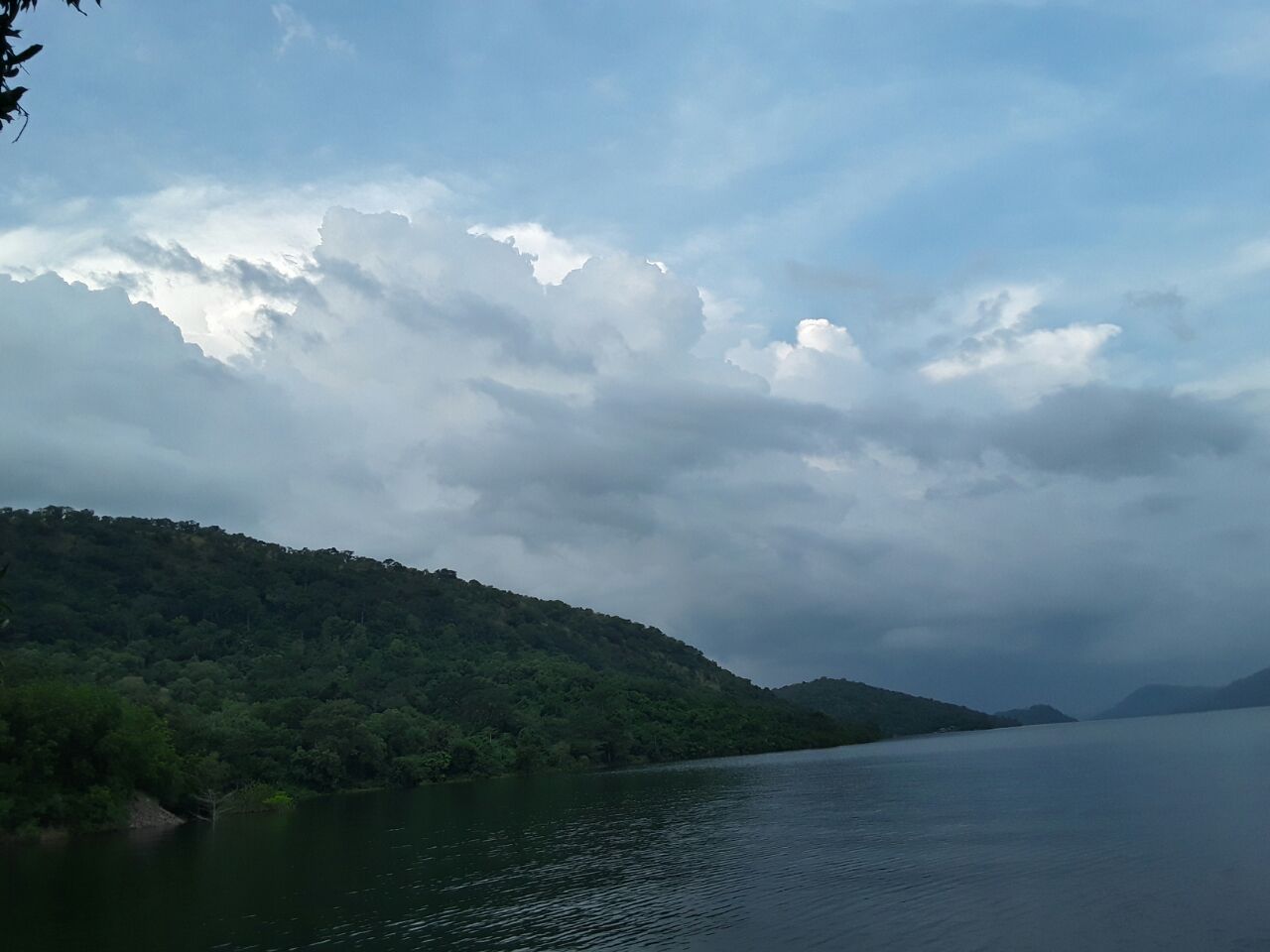
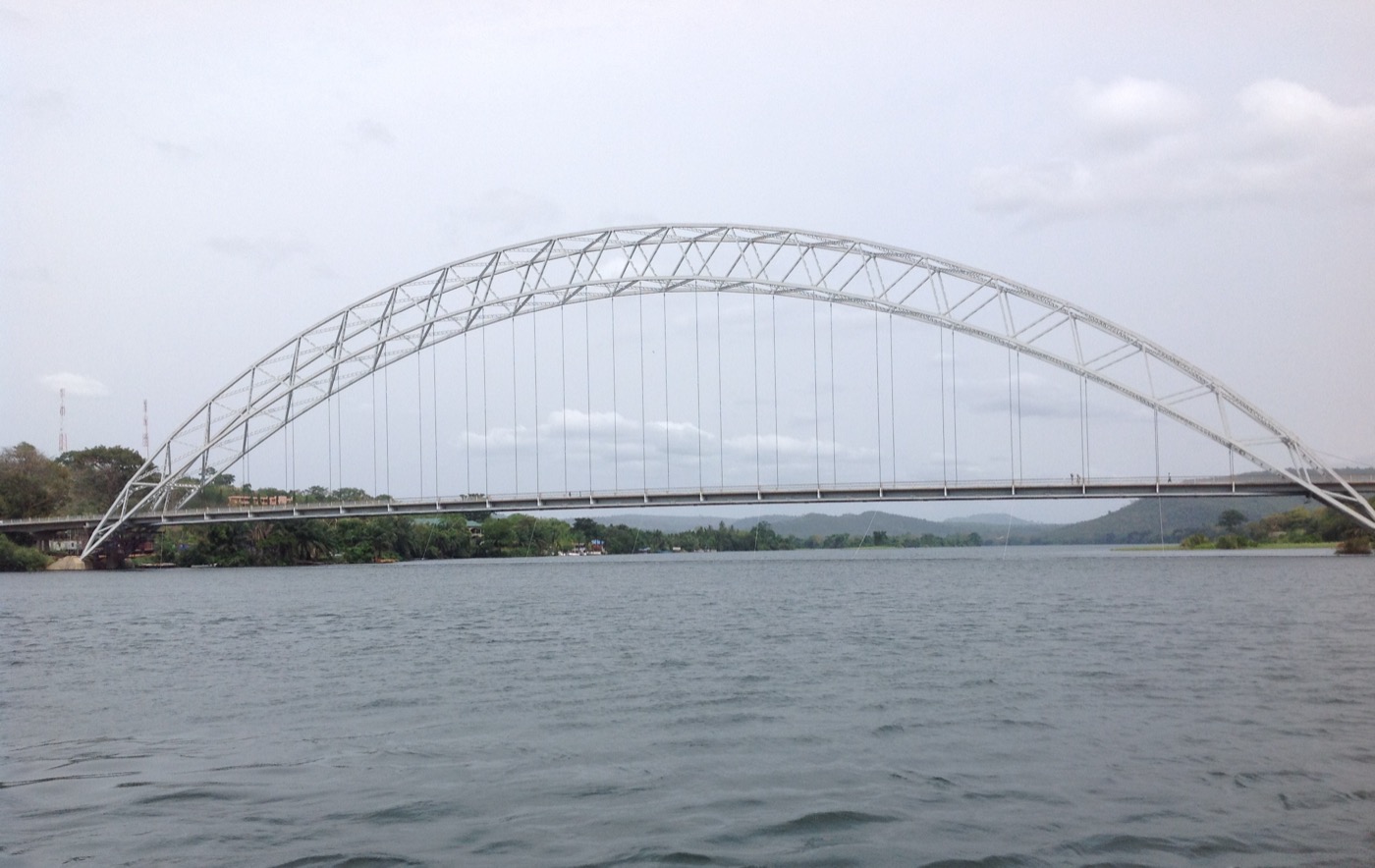
- Lake Volta + Akwapim-Togo + the rivers that drain to the lake = the landscape grammar
Why this is good news
Volta Region has fewer comp projects than Greater Accra (Appolonia, King City, Hope City Dawa all sit in or near GAMA). The story we tell here doesn't have to compete with a saturated peri-Accra master-plan field — it can stake out the Volta as its own thing.
The Ewe-region positioning lets us avoid the "another Accra suburb" framing and instead reach for "the first new town Ghana has built in the Volta hills since Akosombo."
Volta Region · landscape grammar
Climate response · what Volta demands
Climate band
- Tropical wet-and-dry. Bimodal rainfall: major rains April–July, minor Sept–Nov
- 3-month dry season Dec–Feb dominated by harmattan (Saharan dust-bearing wind from NE)
- Rainy season + lakeside siting = flood risk — needs geotech + drainage from day one
- Sun angle ~6–7°N — very high; east/west exposures are the hot ones
- Prevailing wind: SW monsoon during rains, NE during harmattan
Design moves that work
- Deep tropical overhangs on east/west — block the morning & afternoon hot sun, not the cool north light
- Cross-ventilation as primary cooling strategy — orient buildings on the SW–NE wind axis
- Parasol roofs (oversized roof floats above the building shell, gap for hot air to exhaust)
- Breeze-block screens (claustra) on west walls — privacy + shade + airflow
- Raised plinths on flood-prone sites — laterite-clad concrete
- Light-colored roofs (kaolin white over corrugated zinc) — knock 5-8°C off attic temp
Reference architects who've solved this
Diébédo Francis Kéré (Burkina Faso) Pritzker 2022
Gando Primary School, Lycée Schorge, Serpentine Pavilion 2017, Benin Assembly. Pioneer of pierced clay/laterite walls + parasol roofs.
Mariam Kamara · atelier masōmī (Niger)
Hikma Religious + Secular Complex (Niger): compressed-earth + concrete library/mosque. Vocabulary maps directly to laterite + lime-wash palette.
NLÉ Works · Kunlé Adeyemi (Lagos)
Makoko Floating School, Chicoco Radio. Lightweight tropical timber-and-steel for community-scale buildings + flood-adjacent sites.
David Adjaye (Ghana)
National Cathedral of Ghana (paused), Alara Concept Store Lagos. Reinterprets Asante royal-stool curves at civic scale.